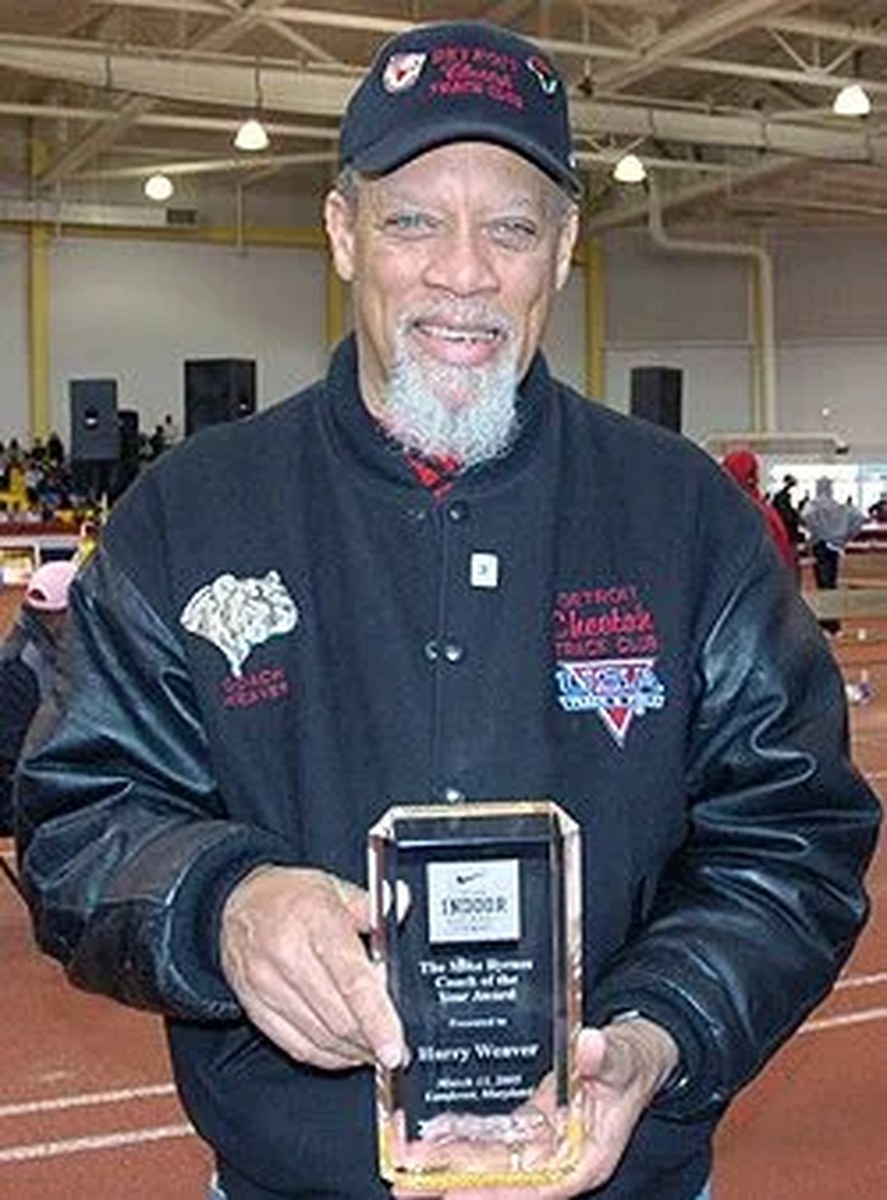
In 53 years of coaching, Harry Weaver has had the opportunity to be a part of training Olympic athletes, coaching young runners up through graduation, and mentoring youth from a wide range of socio-economic backgrounds.
Sixteen of his former athletes have gone on to become head coaches themselves — at the high school or collegiate level. More than eighty percent of his graduating seniors are enrolled or have already graduated from a U.S. college with the assistance of a scholarship.
His life's work, in his own words, is to see track and field used as a tool to invest into the lives of kids — to help them succeed in and out of school, and to reach higher learning.
Track is a tool to invest into the lives of kids.
At the major-college, university, high school, or track-club level. Track and field as higher learning — and as a career. The Weaver coaching tree is as much the legacy as the medals.
One mission, two cities, four-plus decades. The Cheetah is older than most of the colleges its athletes sign to.
Coach Harry Weaver II launches the Detroit Cheetah to help inner-city youth earn college scholarships through track and field. The program becomes a four-decade pipeline for collegiate, national, and Olympic athletes.
Earl Jones runs to the Olympic podium in the 800m at the Los Angeles Games — the first Cheetah Olympic medal.
Junior World Champion (2002). Olympic Silver (2004, Athens). World Champion (2005, Helsinki). A three-year arc, one program.
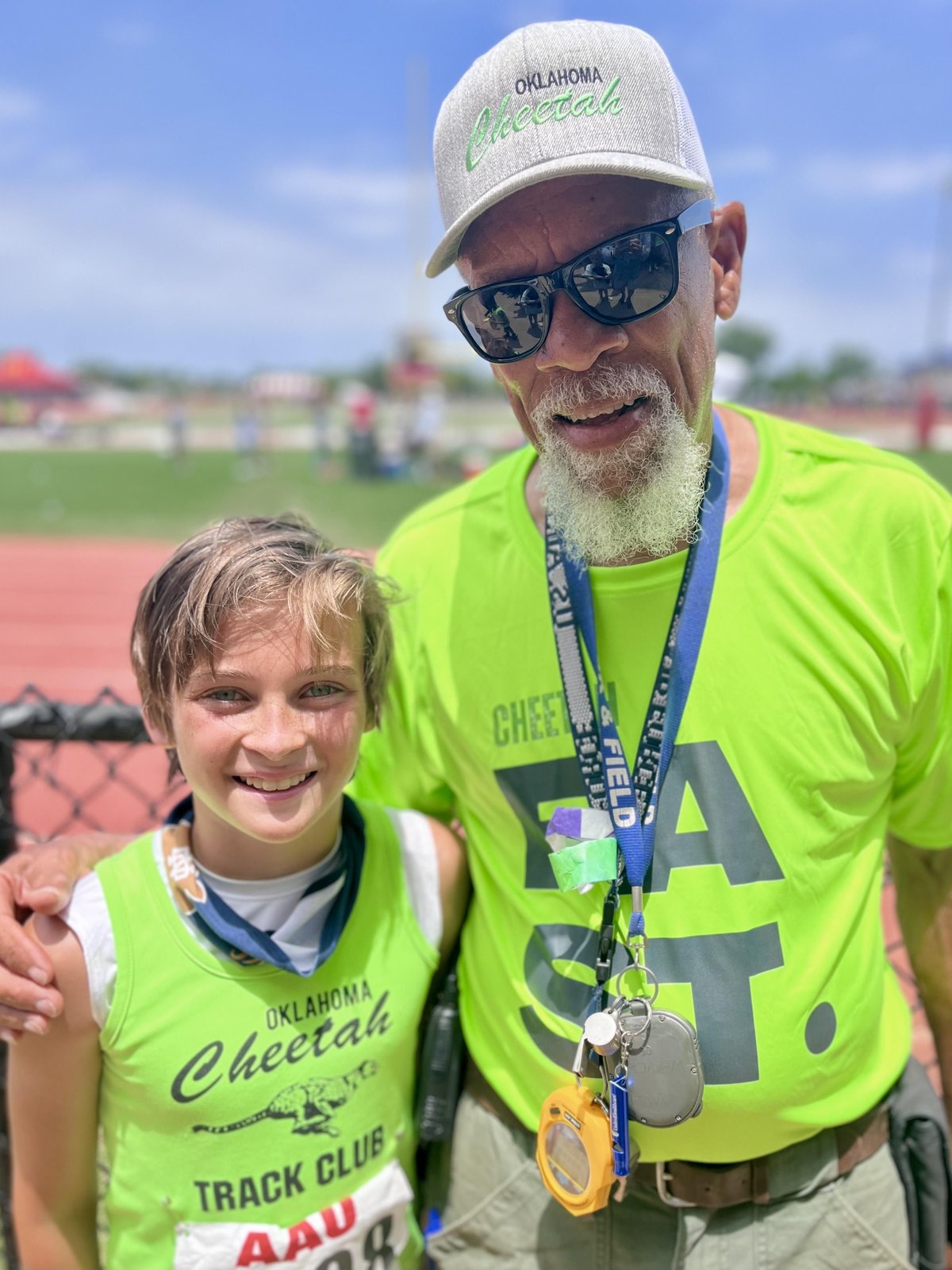
Coach Weaver and Coach Cory Ray launch the Oklahoma Cheetah in Tulsa. Same standards. Same mentorship. New generation.
Coach Weaver continues to mentor Cheetah athletes alongside Coach Ray — bringing five-plus decades of program-building into every practice.